Updated: November 2026
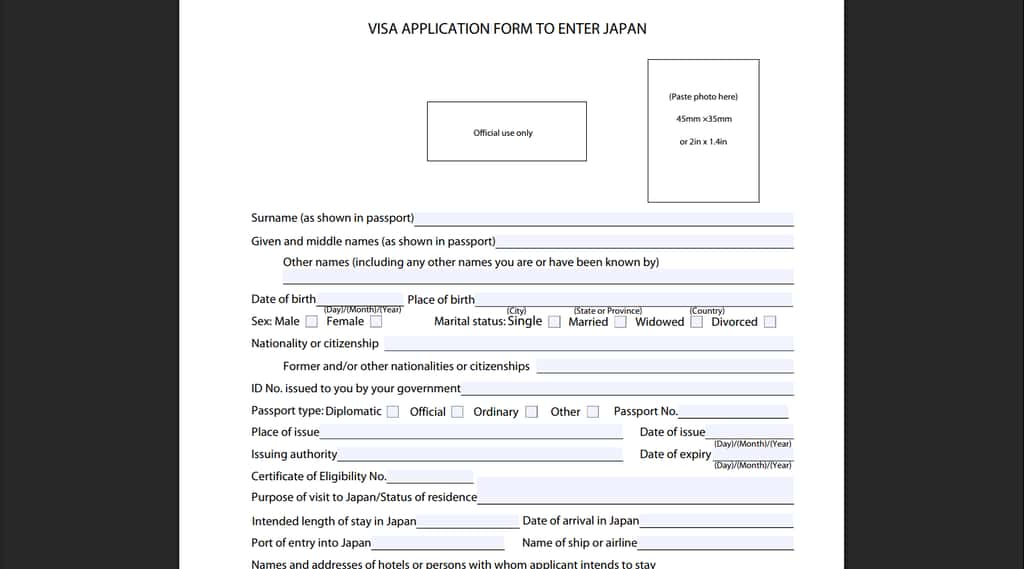
Filipino passport holders need a visa to visit Japan as tourists, and in 2026 you apply through the Japan Visa Application Center (JVAC), not a travel agency. Every applicant submits a passport, a typed application form, a 4.5 × 3.5 cm photo, PSA certificates (unless your passport already has a used Japan visa) and an itinerary. If you pay for the trip yourself, add a bank certificate, Form 2316 and an employment certificate. The visa itself is still free for Philippine nationals; you pay only the visa center's service fee.
Short answer for most first-time applicants: apply as a single-entry tourist through JVAC, between three months and about one month before you fly. Submit the Embassy's checklist exactly, keep your itinerary and finances consistent, and don't buy non-refundable flights until the visa is issued.
What matters before you apply
- The checklist depends on who pays. Everyone submits the same identity documents and itinerary. The bank certificate, Form 2316 and employment certificate apply only "in case that applicant will shoulder part/all of travel expense". If a relative in the Philippines pays, they submit those documents instead, plus a guarantee letter and proof of relationship. Work out which case you're in first.
- A used Japan visa saves you two PSA trips. The April 2025 tourism checklist says the PSA birth and marriage certificates are unnecessary if your passport carries a used Japan visa. Repeat visitors can skip them.
- The timing window is about two months wide. A single-entry tourist visa is valid for travel within three months of issue, so the Embassy says not to apply earlier than three months before travel. The visa center says processing takes at least 6 business days (10 in Cebu and Davao) and can take more than a month if extra checks are needed. Apply inside that three-month window, and leave at least a month.
- July 2026's fee increase doesn't apply to Filipino tourists. Japan raised visa fees from 1 July 2026, but the Embassy states the Temporary Visitor visa for Philippine nationals "remains as gratis". Your only cost is the JVAC service fee.
- eVISA isn't for independent travellers yet. The Embassy's eVISA route, which started on 15 December 2025, is listed under package tours arranged by registered travel agencies, and applications still go through the Visa Center. If you plan your own trip, you apply for the regular visa.
Quick answer: Japan tourist visa requirements
| Question | Official answer (checked 12 November 2026) |
|---|---|
| Where to apply | Japan Visa Application Center (VFS Global): Parañaque, Makati, Quezon City, Cebu, Davao |
| Visa fee | Gratis for Philippine nationals; JVAC service fee Php 520 per application on the visa center's Japan page |
| Photo | 4.5 × 3.5 cm, taken within 6 months, plain white background, name and birth date on the back |
| Application form | Typed, in English, signed; write "N/A" for items that don't apply |
| PSA birth and marriage certificates | Issued within 1 year; unnecessary with a used Japan visa |
| Bank certificate | Must show the Average Daily Balance for the last six months (self-paying applicants) |
| Tax document | Form 2316 signed by employer and employee; business owners add proof of actual tax payment |
| Flight and hotel booking | Not necessary for the itinerary |
| Document age | Issued within 3 months (birth and marriage certificates: 1 year) |
| Processing | At least 6 business days (Cebu and Davao: 10); can exceed one month |
| Single-entry validity | Travel within 3 months of issue |
Where and how do you apply?
You apply through JVAC; the old accredited-agency route ended in April 2025. The Embassy announced that accredited agencies stopped accepting applications on 6 April 2025 and the Japan Visa Application Center, run by VFS Global, started on 7 April 2025, with branches in Parañaque, Makati, Quezon City, Cebu and Davao. Book through the visa center's appointment system. Guides that still tell you to submit through a travel agency are out of date.
The submission rules from the Embassy's "Important Note on the Document Submission" (checked 12 November 2026):
- All documents in A4; documents of another size are copied onto A4 and submitted with the original. Don't staple.
- Documents not in English or Japanese need a translation with the translator's name, signature and date.
- For "Date of application" on the form, write the date you submit to JVAC.
- Supporting documents other than the passport are not returned. If the Embassy asks for more documents and you don't submit them within one month, the application is terminated.
Single-entry tourist visa: the documents
For everyone:
- Passport, signed by the holder, plus a colour copy of the bio page and of any used Japan visa.
- Visa application form, typed and signed. Parents can sign for minors or applicants with a disability.
- One photo, 4.5 × 3.5 cm, colour, taken within 6 months, plain background.
- PSA birth certificate issued within one year, and a PSA marriage certificate if married. Both are unnecessary with a used Japan visa. If the PSA copy is unreadable, submit the Local Civil Registrar copy; for a late registration, add a baptismal certificate and school record (Form 137); if PSA has no record, submit the Local Civil Registrar copy plus a PSA Negative Certificate.
- Itinerary in Japan: entry and departure dates (flight details if possible), daily activities, and the name, address and phone number of your accommodation. Booking is not necessary. Our Schedule of Stay guide shows how to fill it in.
If you pay part or all of the trip:
- Bank certificate showing the Average Daily Balance for the last six months.
- Tax Payment Certificate: Form 2316 signed by employer and employee. Business owners submit proof of actual tax payment in addition to the BIR form.
- Employment certificate stating your position, period of employment and salary, with the certifier's name and contact details. Business owners submit the DTI Certificate of Business Name Registration and a Mayor's Permit; the Embassy also accepts SEC registration for companies.
- Students submit a copy of their school ID or certificate of enrolment.
If a guarantor in the Philippines pays: a guarantee letter, proof of relationship (such as birth certificates or photos), and the guarantor's bank certificate, tax payment certificate and employment certificate.
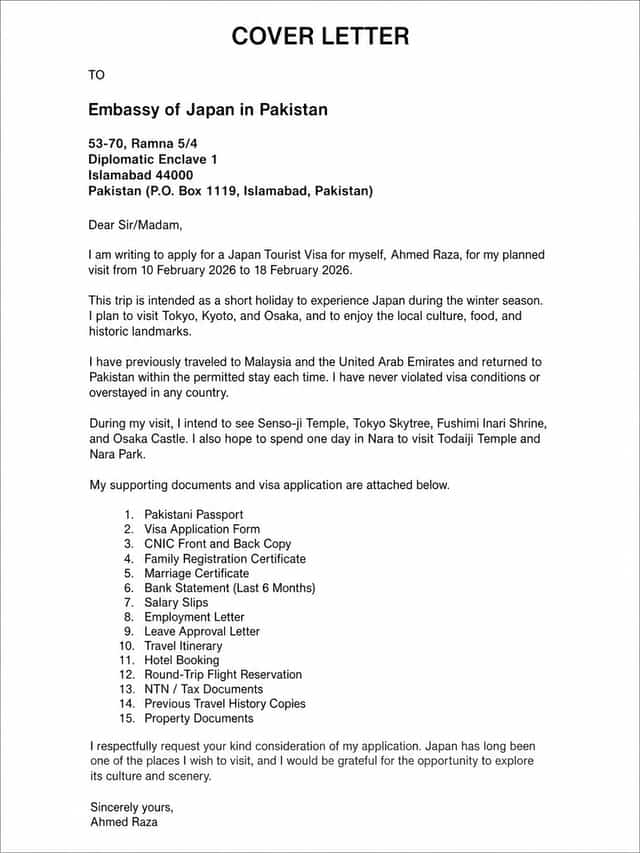
If you can't submit the bank or tax certificate, the checklist says you must submit a letter of explanation, unless you are a retiree, a full-time housewife or unemployed. Our cover letter guide has samples.
Source: the Embassy's single-entry Tourism Visa Checklist (April 2025), distributed by the Japan Visa Application Center, and the Embassy's document-submission notes, checked 12 November 2026.
How much money do you need in the bank?
There is no official minimum. The Embassy's checklist asks for a bank certificate showing your average daily balance over six months; it doesn't publish a peso figure per day or per trip. Rules like "₱10,000 per day" come from forums, not the Embassy.
Practical suggestion, not an official rule: make your itinerary, trip length and bank history tell the same story. A six-month average shows more than a single day's balance, so a large deposit just before applying is visible in context. Never alter or borrow financial documents; the checklist's declaration says a false document can lead to refusal.
Single entry or multiple entry?
Apply for single entry unless you clearly meet a multiple-entry condition. The Embassy's multiple-entry tourist checklist (April 2025) requires a Request Form for Multiple-Entry Visa and one of these conditions:
| Condition | Evidence |
|---|---|
| Travelled to Japan as a temporary visitor in the last 3 years and have financial capacity | Used Japan visa and landing permission |
| Travelled to Japan and several times to other G7 countries | Used visas and landing permissions from the last 3 years |
| Sufficient financial capacity | Embassy decides between the standard multiple-entry visa and the one for "considerable financial capacity" |
| Spouse or child of the above | Proof of relationship and the main applicant's documents |
Under the standard multiple-entry checklist, each stay must be within 30 days. Japan's Ministry of Foreign Affairs describes the considerable-financial-capacity category as a 90-day stay with up to 5 years' validity, and the Embassy's FAQ gives five years as the maximum for tourist multiple-entry visas. The Embassy decides what to issue; requesting five years doesn't guarantee it.
A first visit doesn't rule you out: the financial-capacity route doesn't require past Japan travel. But if you have one trip planned and no clear multiple-entry basis, single entry is the simpler application.
When should you apply?
Apply between three months and about one month before you fly. The Embassy says a single-entry tourist visa is valid for travel within three months of issue and warns that tourist applications can take several weeks. The visa center gives a minimum of 6 business days from receipt (10 in Cebu and Davao), longer in busy periods, and more than a month if the Ministry of Foreign Affairs in Tokyo reviews the case (all checked 12 November 2026).
The visa center also advises against buying tickets before the visa is approved. Prepare documents early, but apply only once you're inside the three-month window.
Common mistakes
- Submitting through a travel agency. Regular applications go to JVAC since 7 April 2025.
- Using a 4.5 × 4.5 cm photo. The current size is 4.5 × 3.5 cm.
- Writing "ITR" without checking the document. The single-entry checklist asks for Form 2316 signed by employer and employee.
- Requesting PSA certificates you don't need. A used Japan visa makes them unnecessary.
- Handwriting the application form. The checklist says it must be typed.
- Applying too early. A visa issued more than three months before your trip expires before you travel.
After your visa is approved
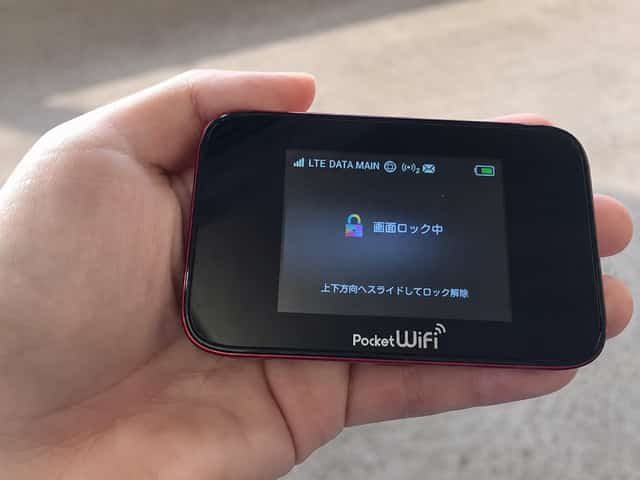
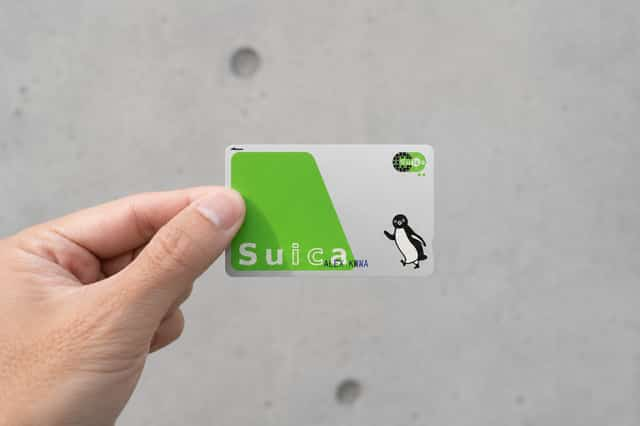
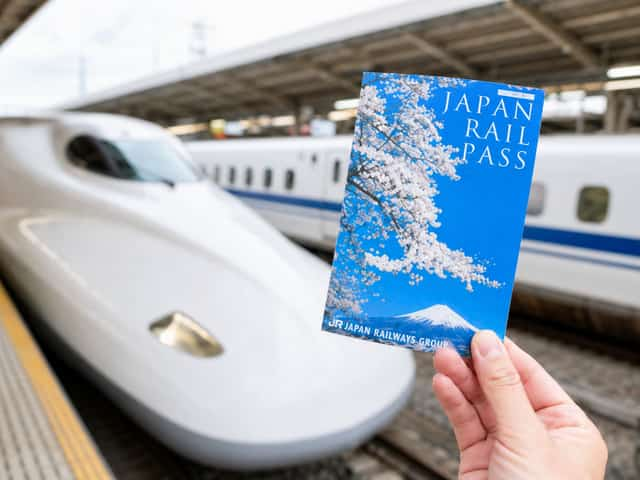
Now is the time to book flights, hotels and anything non-refundable. Most first-time visitors also need mobile data from landing: our Japan SIM card comparison covers airport pickup and full-speed data limits. For trains, see whether the Japan Rail Pass pays off for your route. If you're planning day trips, our guides to Mt Fuji tours, Hakone and Kyoto and Nara from Osaka help you choose between a guided tour and going on your own.
FAQ
Can I apply for a Japan visa without a job?
Yes. The checklist exempts retirees, full-time housewives and unemployed applicants from the explanation letter for missing bank and tax documents. If someone in the Philippines is paying, submit the guarantor documents instead.
Do I need a new PSA birth certificate if I have an old Japan visa?
No. The April 2025 tourism checklist says birth and marriage certificates are unnecessary if your passport has a used Japan visa. If that visa is in an older passport, ask JVAC whether to bring it.
Can someone apply on my behalf?
Yes, as a representative. The checklist asks for an authorisation letter listing all applicants, signed by the head of the family, company or tour company, and the representative's company ID if they are a designated representative.
Is a Japan visa guaranteed if I submit every document?
No. The checklist declaration states that the Embassy may ask for documents not on the list, and issuance is at its discretion.
How we checked
We rewrote this guide in November 2026 against official sources only, and checked every requirement on 12 November 2026. Where sources differed, we used the most recent Embassy document and say so in the text.
Sources: Embassy of Japan in the Philippines, Visa/Consular Services page (visa fee notice, processing warning, single-entry validity, eVISA notice); Embassy notice on the opening of the Japan Visa Application Centre; Embassy "Important Note on the Document Submission"; Tourism Visa Checklist, single entry and multiple entry (April 2025), as distributed by the Japan Visa Application Center; Japan Visa Application Center (VFS Global) Japan–Philippines information page (service fee, photo specification, processing time); Ministry of Foreign Affairs of Japan, multiple-entry visa procedures for Philippine nationals and the 1 July 2026 visa fee revision.
Written by

Former KLOOK Recommender System Expert
Built the systems that decided which products ranked first for users in KLOOK. That experience taught me that rankings just optimize clicks and conversions for OTA — not necessarily what truly fits each traveler. Today, I write evidence-based verdicts using my 4 year experience on product: whether they're worth it, who they suit, and when you're better off skipping them.