Updated: November 2026
The Japan "Schedule of Stay" is the Embassy's Itinerary in Japan form: one page listing each day of your trip, what you plan to do, a contact number and where you'll stay. It's required for every tourist visa application from the Philippines, and you don't need to book flights or hotels to fill it in. The Embassy asks only for your intended hotel's name, address and phone number, and your planned entry and departure dates.
Short answer: use the Embassy's current form, fill in one row per day (similar consecutive days can share one row), name two or three main places per day, and give a real hotel's details for every night. Don't buy non-refundable flights or hotels until the visa is issued.
What matters before you fill it in
- No bookings are needed, so don't pay for any yet. The Embassy's document notes say flight details are "if possible" and that booking is not necessary for flights or accommodation (checked 12 November 2026). The visa center goes further and advises not buying tickets before your visa is approved. Pick a realistic hotel, copy its details, and book after approval.
- The form wants a daily plan, not a timetable. The Embassy says the itinerary "must be entered in a daily basis", but similar activities on consecutive days can go in one row as "Year/Month/Day–Year/Month/Day". Two or three places a day is enough; hour-by-hour detail adds nothing.
- The hotel details do the most work. The Embassy's instructions ask for the accommodation's name, address and phone number. Get these right for every night, and change them on the day you change cities. That's where most inconsistencies show up.
- Your itinerary should fit your other documents. There's no budget column and no official spending minimum. Still, a three-week luxury trip and a modest bank certificate tell different stories. Practical suggestion: plan the trip your finances support.
- If you'll stay with friends or family, check the visa category. The Embassy has separate checklists for visiting relatives and for visiting friends or distant relatives. Don't present a stay with relatives as hotel tourism.
Quick answer
| Question | Answer (Embassy of Japan in the Philippines, checked 12 November 2026) |
|---|---|
| Official name | Itinerary in Japan |
| Required for a tourist visa? | Yes, on the single-entry tourism checklist |
| Columns | Date, Activity Plan, Contact, Accommodation |
| Flight booking | Not necessary; add flight details if you have them |
| Hotel booking | Not necessary; give name, address and phone number |
| One row per day? | Yes; similar consecutive days can share a row |
| Paper size | A4 |
How to fill in each column
Date. List every day from arrival to departure, written Year/Month/Day. Group consecutive days only when the activity is the same, for example "2026/10/06–2026/10/07 Tokyo sightseeing and shopping".
Activity Plan. Name the main places, not the schedule. "Asakusa, Senso-ji Temple, Tokyo Skytree" works; "8:15 breakfast, 8:47 subway…" doesn't. A free day can be written as "Free day in Osaka; shopping". Every day should still appear.
Contact. For a hotel-based trip, the hotel's phone number is the most useful entry, because the Embassy asks for accommodation contact details. Change it when you change hotels.
Accommodation. The hotel's name and address for that night. On your departure day, leave it blank or write "Departure".
Arrival and departure rows can include a flight number if you already know it ("Arrive Narita on PR 4xx; transfer to Shinjuku"), but the Embassy says booking isn't necessary.
Sample 5-day Tokyo itinerary
| Date | Activity Plan | Contact | Accommodation |
|---|---|---|---|
| 2026/10/05 | Arrive at Narita Airport; transfer to Tokyo; hotel check-in | Hotel phone | Tokyo hotel name and address |
| 2026/10/06 | Asakusa; Senso-ji Temple; Tokyo Skytree | Hotel phone | Same |
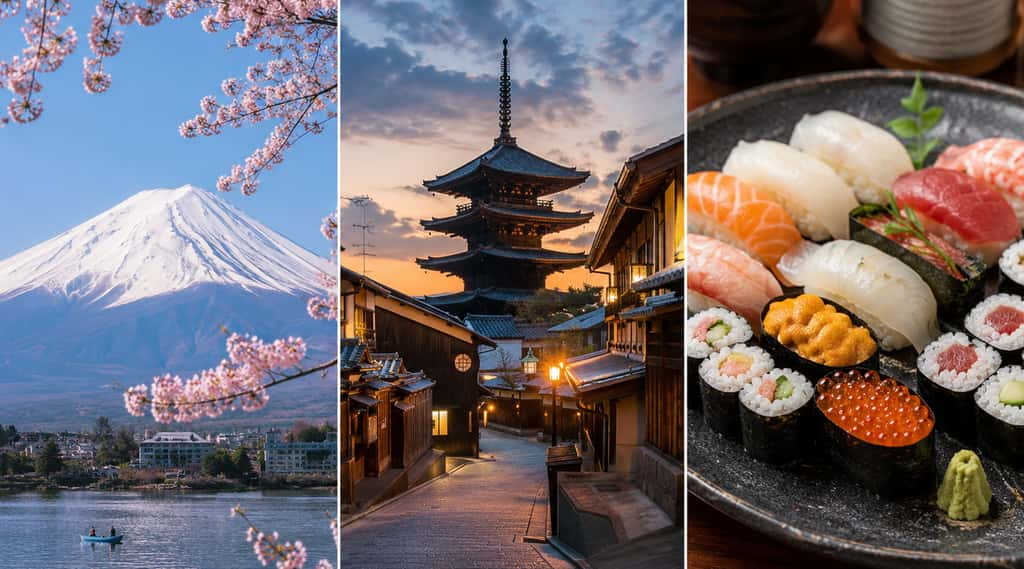
| 2026/10/07 | Mt. Fuji and Lake Kawaguchiko day trip | Hotel phone | Same |
| 2026/10/08 | Meiji Shrine; Harajuku; Shibuya | Hotel phone | Same |
| 2026/10/09 | Check out; transfer to Narita Airport; depart Japan | Hotel phone | — |
This is enough to show a straightforward tourist trip. You don't need restaurants, train rides or attraction times.
Sample 7-day Tokyo and Osaka itinerary
| Date | Activity Plan | Contact | Accommodation |
|---|---|---|---|
| 2026/11/02 | Arrive Tokyo; hotel check-in; Shinjuku | Tokyo hotel phone | Tokyo hotel |
| 2026/11/03 | Asakusa; Tokyo Skytree; Akihabara | Tokyo hotel phone | Tokyo hotel |
| 2026/11/04 | Mt. Fuji and Lake Kawaguchiko day trip | Tokyo hotel phone | Tokyo hotel |
| 2026/11/05 | Shinkansen Tokyo to Osaka; Dotonbori | Osaka hotel phone | Osaka hotel |
| 2026/11/06 | Universal Studios Japan | Osaka hotel phone | Osaka hotel |
| 2026/11/07 | Kyoto day trip: Fushimi Inari; Kiyomizu-dera | Osaka hotel phone | Osaka hotel |
| 2026/11/08 | Check out; depart from Kansai Airport | Osaka hotel phone | — |
Note the switch on 5 November: the contact and accommodation columns change on the day you move cities. That's the detail examiners can check against your trip length.
Sample 6-day Osaka and Kyoto itinerary
| Date | Activity Plan | Contact | Accommodation |
|---|---|---|---|
| 2026/12/01 | Arrive at Kansai Airport; transfer to Osaka; hotel check-in | Osaka hotel phone | Osaka hotel |
| 2026/12/02 | Universal Studios Japan | Osaka hotel phone | Osaka hotel |
| 2026/12/03 | Osaka Castle; Umeda; Dotonbori | Osaka hotel phone | Osaka hotel |
| 2026/12/04 | Kyoto day trip: Fushimi Inari; Kiyomizu-dera; Gion | Osaka hotel phone | Osaka hotel |
| 2026/12/05 | Nara day trip: Nara Park; Todai-ji | Osaka hotel phone | Osaka hotel |
| 2026/12/06 | Check out; transfer to Kansai Airport; depart Japan | Osaka hotel phone | — |
One base makes the form simpler. Staying in Osaka and visiting Kyoto and Nara as day trips keeps a single hotel for every night. For tours versus trains on those two days, see our Kyoto and Nara day trip guide.
What if you stay with friends or relatives?
Then a tourism itinerary isn't the right application. The Embassy has separate checklists for visiting relatives and for visiting friends or distant relatives, each with its own documents. Your itinerary should show where you actually stay. Writing a hotel you won't use, to fit the tourism checklist, makes the application inaccurate. If you split the trip (a few nights with family, then hotels), ask JVAC which category fits before you apply.
Can you list theme parks and attractions?
Yes, by name, and without buying tickets first. "Universal Studios Japan" or "Tokyo DisneySea" is enough; the itinerary isn't your ride plan, and the Embassy's instructions don't ask for attraction bookings. Choose tickets after approval: see our guides to Universal Studios Japan tickets and Tokyo Disneyland vs DisneySea.
Can You Include a Mt. Fuji Day Trip?
Yes. Write "Mt. Fuji and Lake Kawaguchiko day trip" and leave the tour choice until after approval. You don't need a booking or an operator name on the form. Keep the rest of that day empty: a Fuji day trip from Tokyo takes most of the day, so adding Tokyo sightseeing on the same row looks unrealistic.
When you're ready to book, tours differ more in where the stop time goes than in price. Our Mt. Fuji day tour comparison shows which tours spend time at the lakes, the Fifth Station or Hakone. Nikko and Kamakura are other one-day options from Tokyo: see our Nikko day trip guide.
Common Schedule of Stay mistakes
- Booking flights or hotels just for the form. The Embassy says booking isn't necessary, and the visa center advises against buying tickets before approval.
- Leaving days out. Every date between arrival and departure needs a row, even a free day.
- Writing a timetable. Two or three main places per day is the right level.
- Keeping the same hotel after changing cities. Update the contact and accommodation on the day you move.
- Planning the impossible. Tokyo in the morning and Osaka sights the same afternoon, or three day trips in a row, don't read as a real plan.
- Using an old template. Download the current Itinerary in Japan form from the Embassy's visa application documents.
Before you submit: checklist
- Every date from arrival to departure appears.
- Arrival and departure dates match your application form.
- Each night has a hotel name, address and phone number.
- Hotel details change on the right dates.
- Activities are realistic for the distances.
- No bookings are claimed that don't exist.
- Printed on A4, not stapled.
The itinerary goes in with the rest of your documents; see our Japan visa requirements guide for the full checklist and timing. If a financial or employment document is missing, see the letter of explanation guide.
After your visa is approved
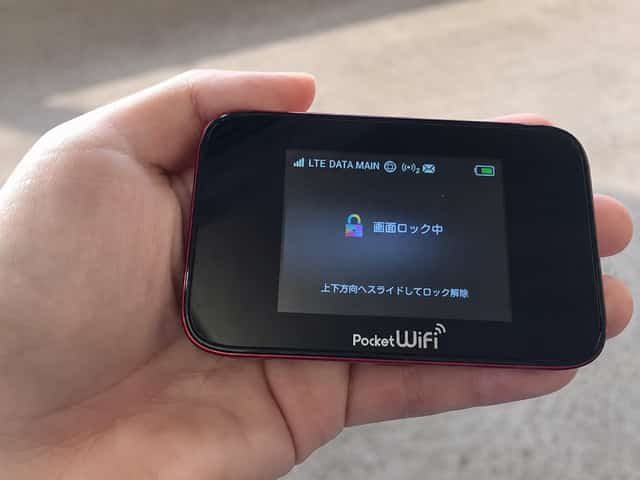
Book your flights and hotels, then the things on your itinerary. Mobile data from landing helps with every other step: our Japan SIM card comparison covers airport pickup and data limits. For a Tokyo–Osaka trip, check whether the Japan Rail Pass pays off.
FAQ
Can my family use one itinerary?
If everyone travels together, the plan is the same for each of you. Each application is examined separately, so ask JVAC whether to include a copy with every application.
Can I change my plans after the visa is approved?
The itinerary is your honest plan when you apply. The Embassy doesn't require bookings at that stage, so later changes to hotels or day trips are normal; what matters is that the plan was genuine when you submitted it.
Do I write costs or a budget on the form?
No. The form has no cost column. Your bank certificate covers finances.
How we checked
We rewrote this guide in November 2026 against official sources only, and checked each rule on 12 November 2026. The sample itineraries are examples of format, not recommended trips.
Sources: Embassy of Japan in the Philippines, "Important Note on the Document Submission" (itinerary, accommodation and A4 rules); Tourism Visa Checklist, single entry (April 2025), as distributed by the Japan Visa Application Center; Embassy visa checklists for visiting relatives and for visiting friends or distant relatives; Japan Visa Application Center (VFS Global) Japan–Philippines information page (advice on buying tickets before approval).
Written by

Former KLOOK Recommender System Expert
Built the systems that decided which products ranked first for users in KLOOK. That experience taught me that rankings just optimize clicks and conversions for OTA — not necessarily what truly fits each traveler. Today, I write evidence-based verdicts using my 4 year experience on product: whether they're worth it, who they suit, and when you're better off skipping them.