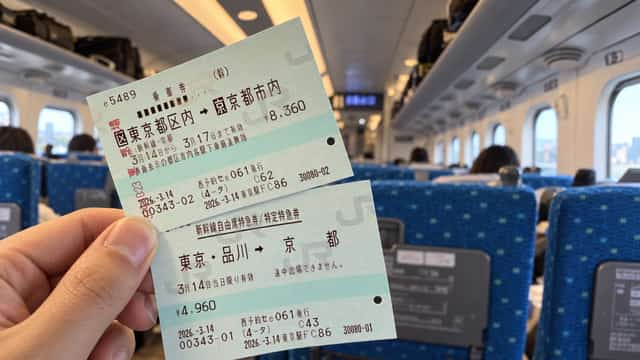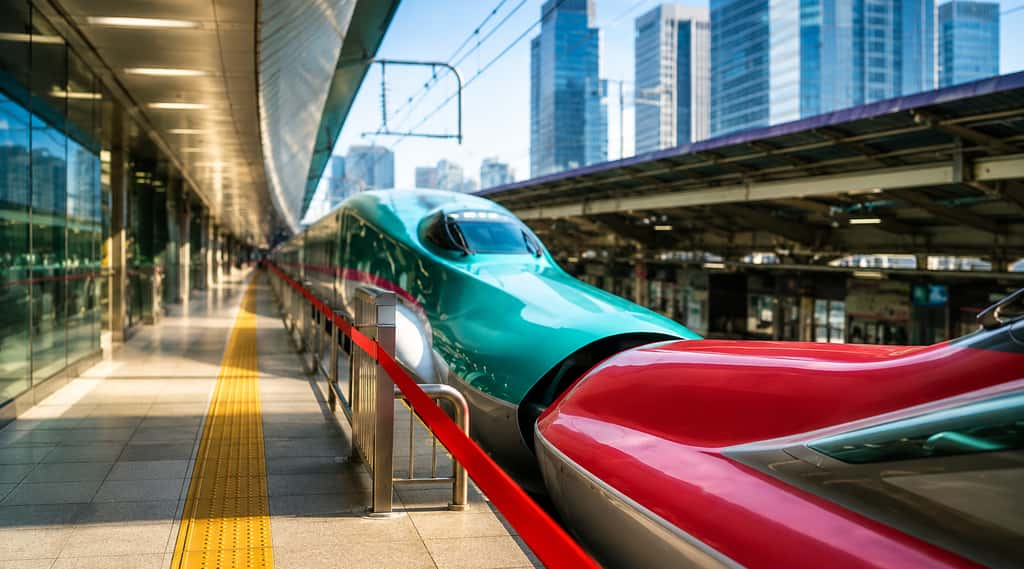
For most tourists travelling between Tokyo, Kyoto and Osaka, the best Shinkansen ticket is an Ordinary Car reserved seat on the Nozomi.
The reason is simple: the regular SmartEX fare from Tokyo to Kyoto is ¥13,970 reserved versus ¥13,320 non-reserved. That extra ¥650 buys a specific seat. Tokyo–Shin-Osaka has the same ¥650 difference: ¥14,520 versus ¥13,870.
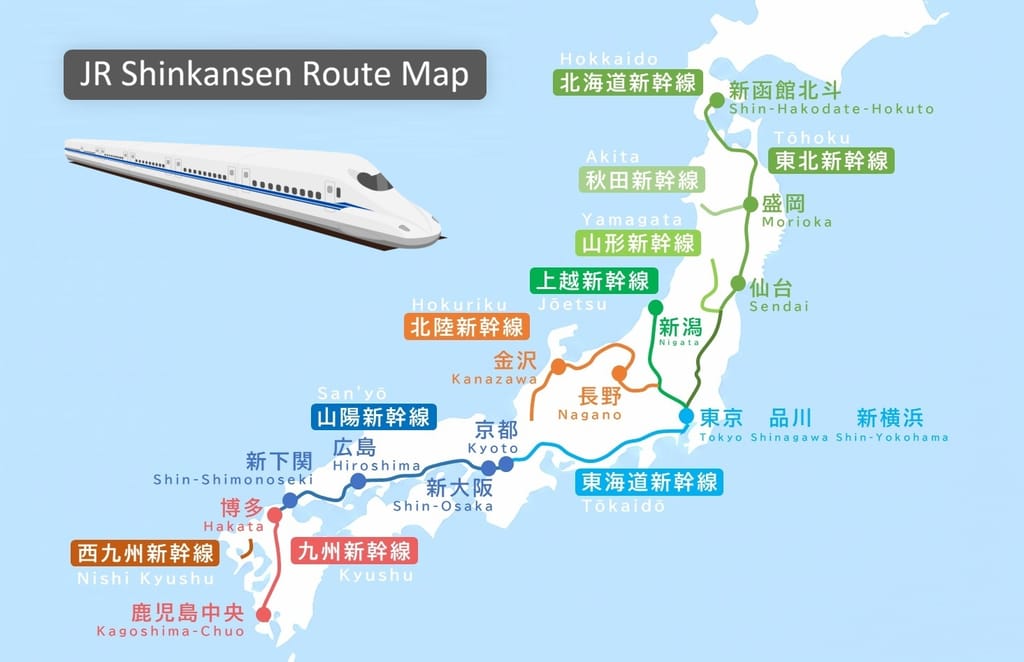
Source png from wikipedia
Best for most travellers: buy individual Reserved Ordinary Nozomi tickets unless your itinerary contains enough additional long-distance JR travel to make a rail pass cheaper.
Shinkansen Ticket Prices: Quick Answer
Real time Shinkansen Fare Calculator departure and destination:
Decision ToolJapan Shinkansen Fare Calculator| Route | Non-Reserved | Reserved Nozomi | Green Car |
|---|---|---|---|
| Tokyo–Kyoto | ¥13,320 | ¥13,970 | ¥18,840 |
| Tokyo–Shin-Osaka | ¥13,870 | ¥14,520 | ¥19,390 |
These are regular-season SmartEX fares. Reserved fares are ¥200 lower in off-peak season, ¥200 higher in peak season and ¥400 higher in the busiest season.
Checked on smart-ex.jp, JR Central and japanrailpass.net on 22 November 2026. A ticket bought at a station costs ¥200 more than SmartEX on reserved and Green seats (Tokyo–Kyoto Reserved Nozomi ¥14,170), so the reserved premium there is ¥850. JR Central and JR West will raise Nozomi reserved fares for tickets bought from July 1, 2027 (Tokyo–Shin-Osaka +¥700); non-reserved fares do not change.
The useful comparison is therefore not “where is the cheapest Shinkansen ticket?” but whether two prices actually represent the same seat class and conditions.
Reserved vs Non-Reserved: ¥650 Is the Real Decision
For most overseas visitors, Reserved Ordinary is worth the extra ¥650.
Choose reserved if you are travelling as a couple or family, need adjacent seats, have luggage or have a fixed itinerary.
Non-reserved makes more sense for a solo traveller whose priority is departure flexibility rather than saving much money. A SmartEX non-reserved ticket can be used on eligible trains on the booked route and date instead of tying you to one specific departure.
This distinction matters even more during peak periods. All Nozomi seats are reserved December 25, 2026–January 5, 2027, January 9–11, 2027 and March 20–22, 2027. A non-reserved ticket cannot get you a seat on Nozomi during those periods; Hikari and Kodama retain non-reserved cars.
Is Green Car Worth It?
Usually not for a typical Tokyo–Kyoto–Osaka trip.
Green Car adds ¥4,870 each way versus Reserved Ordinary on both Tokyo–Kyoto and Tokyo–Shin-Osaka. Upgrade when additional space and a more premium cabin are worth roughly ¥10,000 on a return journey.
Do not upgrade because an old guide promises complimentary food. Standard Class no longer has normal onboard food-and-drink sales, while eligible Nozomi and Hikari Green Car passengers can order paid items through mobile ordering. Buy an ekiben before boarding if you are travelling in Ordinary Car.
How to Buy Shinkansen Tickets
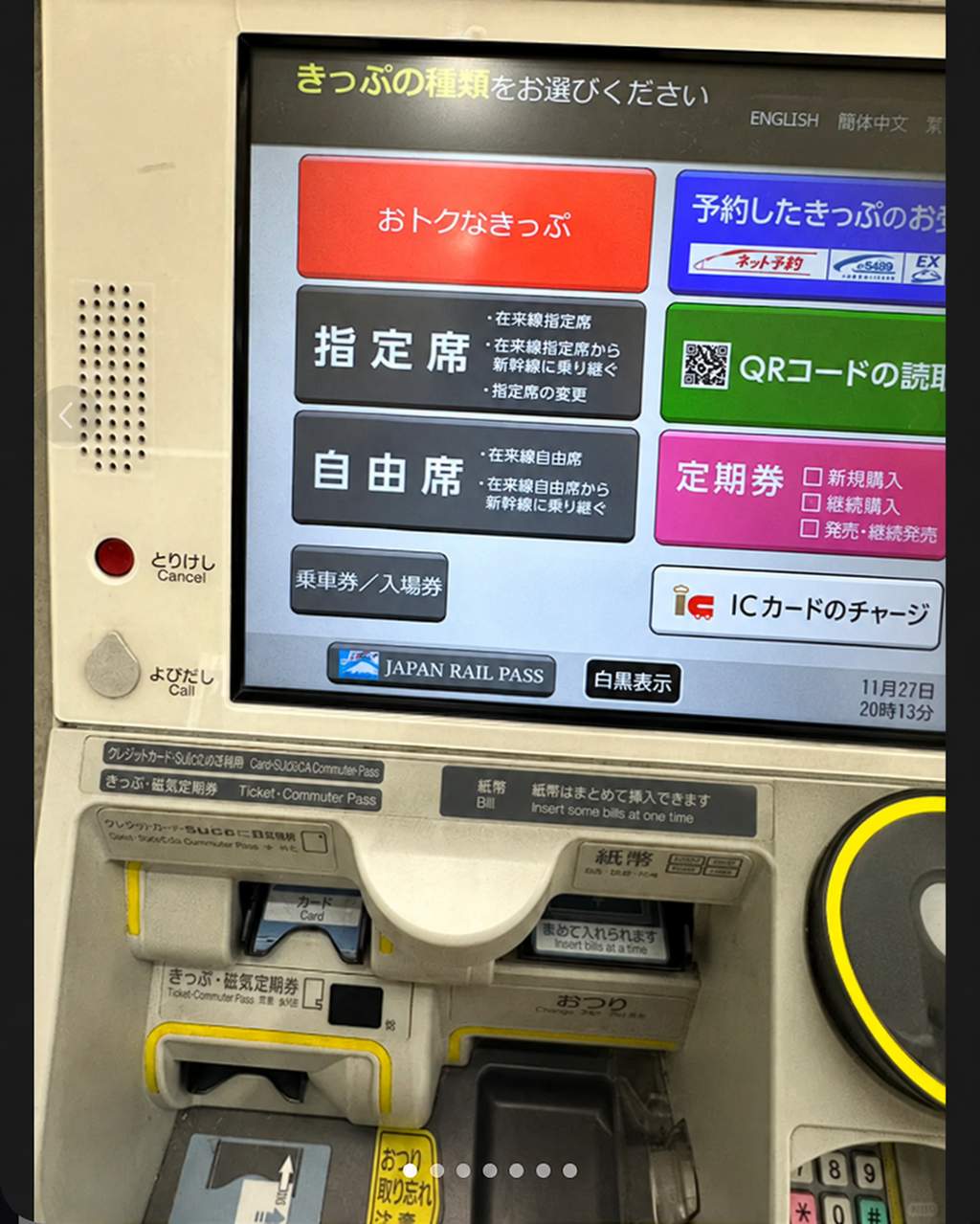
Shinkansen tickets can be booked through different systems depending on the route. SmartEX covers the Tokaido, Sanyo and Kyushu Shinkansen, while JR East and JR West operate separate reservation systems for many other routes. You can also buy tickets from station machines after arriving in Japan.
The best option depends on your route, payment method, need for changes and whether you prefer booking directly with JR or through an OTA.
How-to guideHow to Buy Shinkansen Tickets in Japan: SmartEX vs Station vs OTAShinkansen Luggage Rules
On the Tokaido, Sanyo and Kyushu Shinkansen, luggage with combined dimensions over 160 cm and up to 250 cm requires a reserved seat with an oversized baggage area. Bags over 250 cm cannot be brought onboard.
The space behind the last row is not communal first-come, first-served storage. It belongs to passengers holding the corresponding reservation.
There is no separate oversized-baggage reservation surcharge, but bringing qualifying luggage without the correct reservation can trigger a ¥1,000 fee.
Decision: measure your suitcase before booking. If it exceeds 160 cm, luggage becomes part of your seat decision—not something to solve after boarding.
What If You Miss Your Reserved Shinkansen?
A standard SmartEX reserved ticket has useful protection: if you miss your booked train, you can normally take a later Shinkansen on the same date in an Ordinary non-reserved seat. Hayatoku discounted fares do not have this fallback.
During an all-reserved Nozomi period, however, there is no Nozomi non-reserved seat. Current JR rules may allow eligible passengers to stand in an Ordinary Car deck, or use a non-reserved seat on another service such as Hikari or Kodama.
That makes a standard fare more attractive when you are connecting from a flight or another delay-prone journey.
Is the JR Pass Worth It?
LinkJapan Rail Pass 2026: Prices, Is It Worth It & Klook vs OfficialFor Tokyo–Kyoto–Osaka alone, usually not.
The current official-online seven-day Ordinary Japan Rail Pass is ¥50,000. A Tokyo–Kyoto Reserved Nozomi return using two regular SmartEX fares is about ¥27,940.
Bought as an Exchange Order from an overseas agency, the same seven-day Ordinary pass costs ¥53,000.
Nozomi is also not included with the pass alone. Tokyo–Kyoto or Tokyo–Shin-Osaka currently requires an additional ¥4,960 Nozomi/Mizuho ticket per journey.
So do the arithmetic first. Convenience alone does not make a ¥50,000 pass good value.
Tokyo Station or Shinagawa?
Choose the station that minimizes your door-to-door journey, not automatically Tokyo Station.
Likewise, Osaka's Shinkansen station is Shin-Osaka, not Osaka/Umeda. Add the onward journey to Umeda, Namba or your hotel when comparing travel times.
That second leg can matter more than a few minutes saved by choosing a different Nozomi.
2026 Supreme Class: Do You Need It?
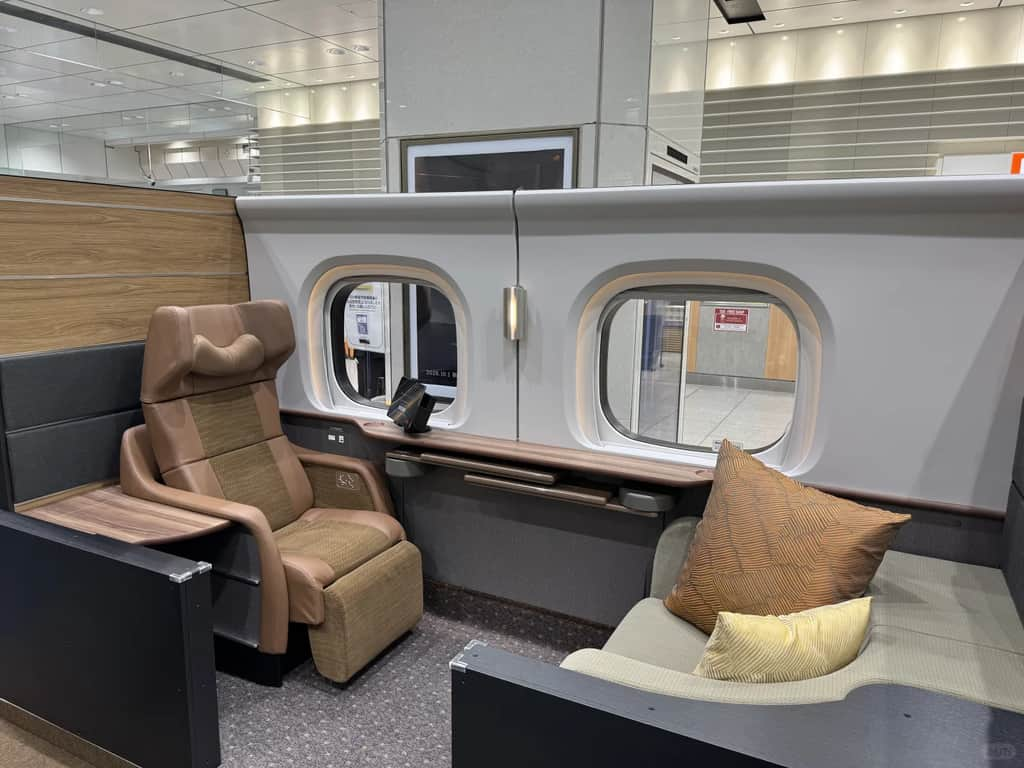
Supreme Class has run on Nozomi since October 1, 2026 and is sold only through SmartEX. It is a private-cabin product above Green Car rather than simply a wider premium seat.
Tokyo–Shin-Osaka starts at ¥42,390 for the one-person cabin (Car 10), versus ¥19,390 Green and ¥14,520 Reserved Ordinary. The Car 7 cabin for up to two guests is ¥60,790, and a second guest needs their own ticket.
For normal sightseeing travel, Green Car is already the more rational comfort upgrade. Supreme makes sense when privacy itself is what you are buying.
Final Verdict
For most first-time visitors:
Buy Reserved Ordinary Nozomi.
Paying ¥650 above non-reserved pricing is a small premium for a guaranteed seat. Choose non-reserved for genuine schedule flexibility, not because it produces major savings.
Choose Green Car for comfort. Choose JR Pass only after calculating several long-distance journeys. Reserve the correct luggage seat before travel if your bag exceeds 160 cm.
And when choosing where to buy, do not assume either “official is always cheapest” or “OTA is cheaper.” Compare the same seat product plus local transport, luggage and change conditions.
Planning day trips as well? From Osaka or Kyoto, our Kyoto and Nara day trip guide compares a guided tour with going by train, and our Hiroshima and Miyajima guide shows when a tour package beats buying your own Shinkansen ticket. From Tokyo, the Hakone and Nikko guides make the same comparison, and our Mt Fuji tour guide explains Fuji-only versus Fuji-and-Hakone tours.
Written by

Former KLOOK Recommender System Expert
Built the systems that decided which products ranked first for users in KLOOK. That experience taught me that rankings just optimize clicks and conversions for OTA — not necessarily what truly fits each traveler. Today, I write evidence-based verdicts using my 4 year experience on product: whether they're worth it, who they suit, and when you're better off skipping them.