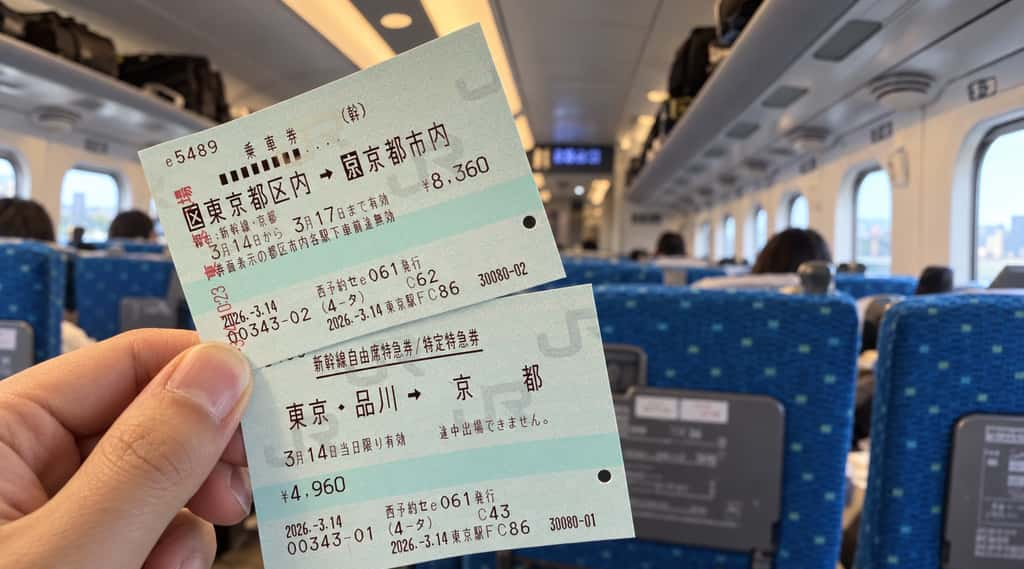
The Shinkansen is the simplest way to travel from Tokyo to Kyoto, but there is one decision that matters more than anything else: which train should you take?
For most travellers buying individual tickets, the answer is Nozomi in an Ordinary reserved seat. It gets you from Tokyo to Kyoto in about 2 hours 10–15 minutes, while the price premium over the slower Hikari is only a few hundred yen.
If you already have a Japan Rail Pass, the calculation changes. Hikari is normally the better choice because it is covered by the pass, while taking Nozomi requires a separate ¥4,960 Tokyo/Shinagawa–Kyoto Nozomi ticket.
You can board at either Tokyo Station or Shinagawa Station. The Shinkansen fare to Kyoto is effectively the same from both, so choose the station that is easier to reach from your hotel rather than travelling across Tokyo just to start at Tokyo Station.
Tokyo to Kyoto Shinkansen: Quick Answer
For most travellers, book a Nozomi Ordinary reserved seat from either Tokyo Station or Shinagawa Station to Kyoto Station.
| Decision | Best choice for most travellers |
|---|---|
| Train | Nozomi |
| Journey time | About 2 hr 10–15 min |
| Standard unreserved fare | ¥13,320 |
| Nozomi Ordinary reserved | ¥14,170 in regular season |
| Nozomi Green Car | ¥19,040 in regular season |
| Departure station | Tokyo or Shinagawa — whichever is more convenient |
| Best Mt Fuji seat | Seat E in Ordinary Car |
| With a Japan Rail Pass | Usually Hikari, unless paying extra for Nozomi saves time you value |
| Arrival | Kyoto Station — no transfer required |
The fares above are adult one-way regular-season fares for tickets bought at a station. On SmartEX the same reserved seat costs ¥200 less (Nozomi Ordinary reserved ¥13,970, Nozomi Green ¥18,840), which are the figures in our Shinkansen ticket guide; non-reserved is ¥13,320 either way. Reserved fares are ¥200 lower in off-peak season, ¥200 higher in peak season and ¥400 higher in the busiest season.
Checked on smart-ex.jp, JR Central and japanrailpass.net on 22 November 2026. Nozomi reserved fares rise for tickets bought from July 1, 2027; tickets bought by June 30, 2027 keep today's price, and Hikari, Kodama and non-reserved fares do not change.
TheRightTour recommendation: the Ordinary reserved Nozomi is the sweet spot. Compared with an unreserved ticket, you are paying only about ¥850 more at the station (¥650 on SmartEX) for a guaranteed seat on a journey lasting more than two hours. Green Car is mainly a comfort upgrade rather than something you need for this route.
For date-specific pricing, use the Tokyo–Kyoto Shinkansen Fare Calculator rather than relying on a static fare table.
Nozomi vs Hikari vs Kodama
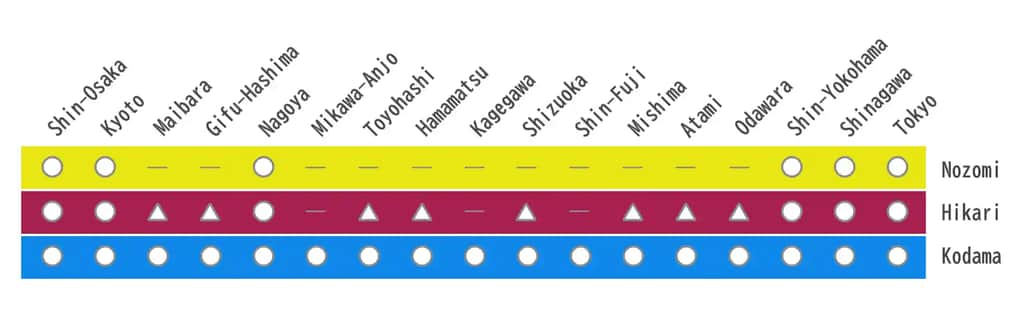
Tokyo and Kyoto are on the Tokaido Shinkansen, where the three relevant services are Nozomi, Hikari and Kodama. They use the same route; the important difference is how often they stop.
| Train | Typical Tokyo–Kyoto time | Ordinary reserved fare* | JR Pass | Who should choose it? |
|---|---|---|---|---|
| Nozomi | About 2 hr 10–15 min | ¥14,170 | Extra ¥4,960 required | Best for most travellers buying tickets |
| Hikari | About 2 hr 34–49 min | ¥13,850 | Covered | Best for most JR Pass holders |
| Kodama | Around 3 hr 40 min | Similar to Hikari | Covered | Rarely the best choice for Tokyo–Kyoto |
*Regular-season standard fare; exact prices can vary by ticket product and travel date.
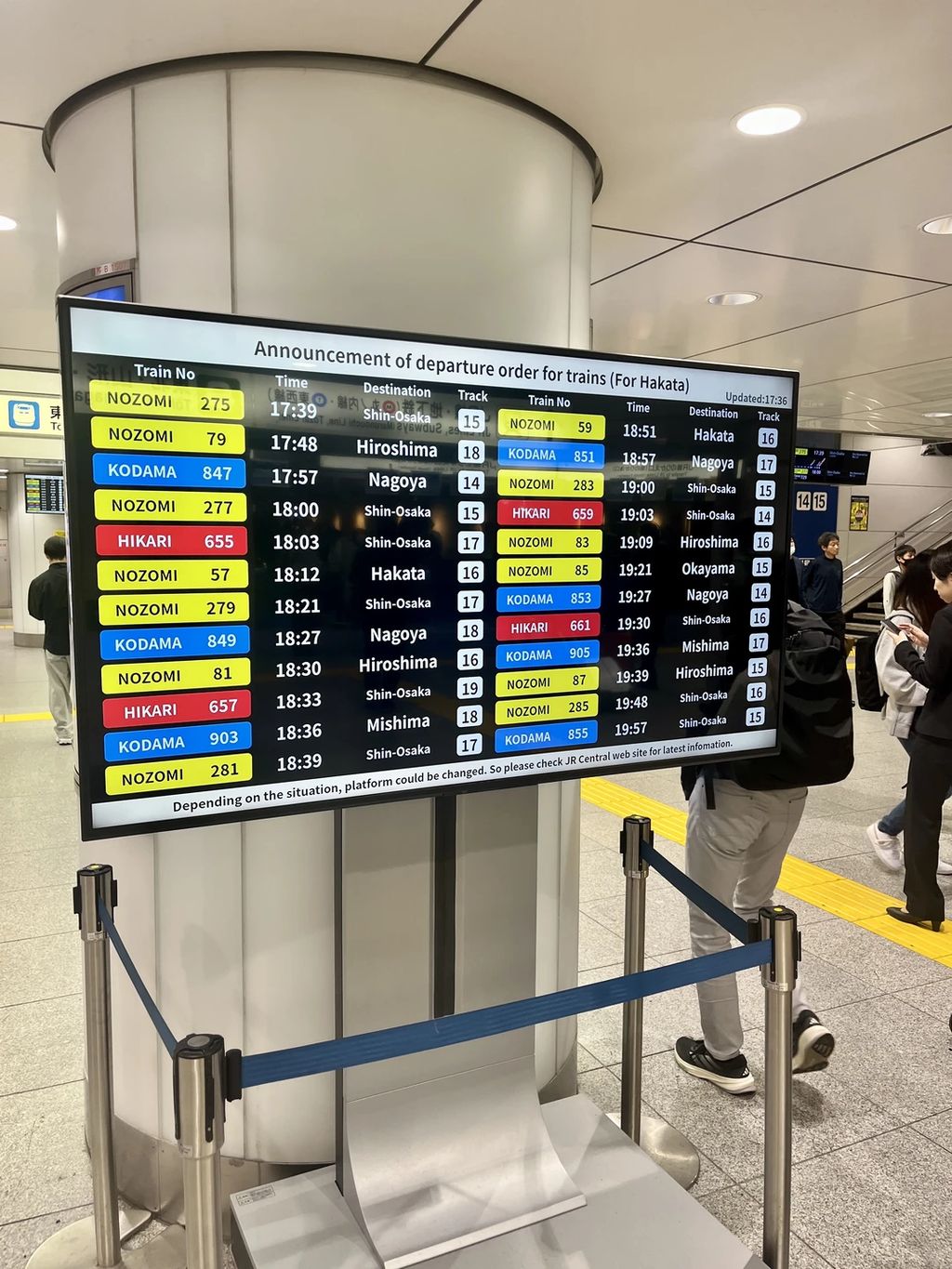
Nozomi: Best for Most Travellers
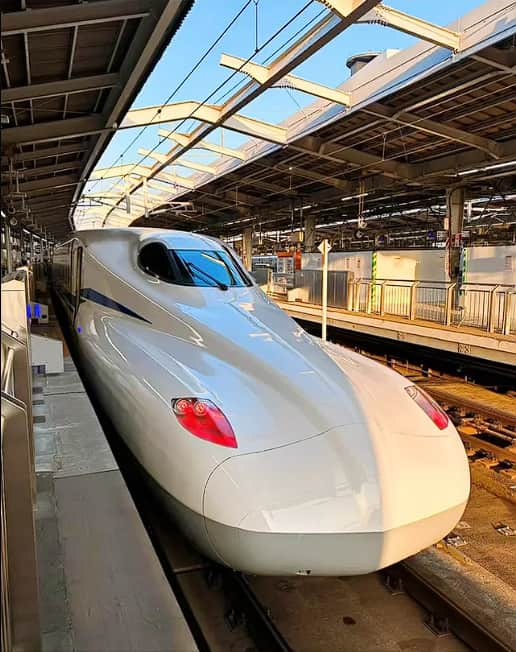
Nozomi makes the fewest stops and is normally the obvious choice if you are buying a regular ticket.
The important point is not simply that Nozomi is faster. It is that the price difference is small compared with the time saved.
A regular-season Ordinary reserved seat is approximately ¥14,170 on Nozomi versus ¥13,850 on Hikari — only about ¥320 more — while Nozomi can save roughly 20–35 minutes depending on which Hikari you compare it with.
That makes Nozomi the strongest default for travellers paying individual fares.
Hikari: Best With a Japan Rail Pass
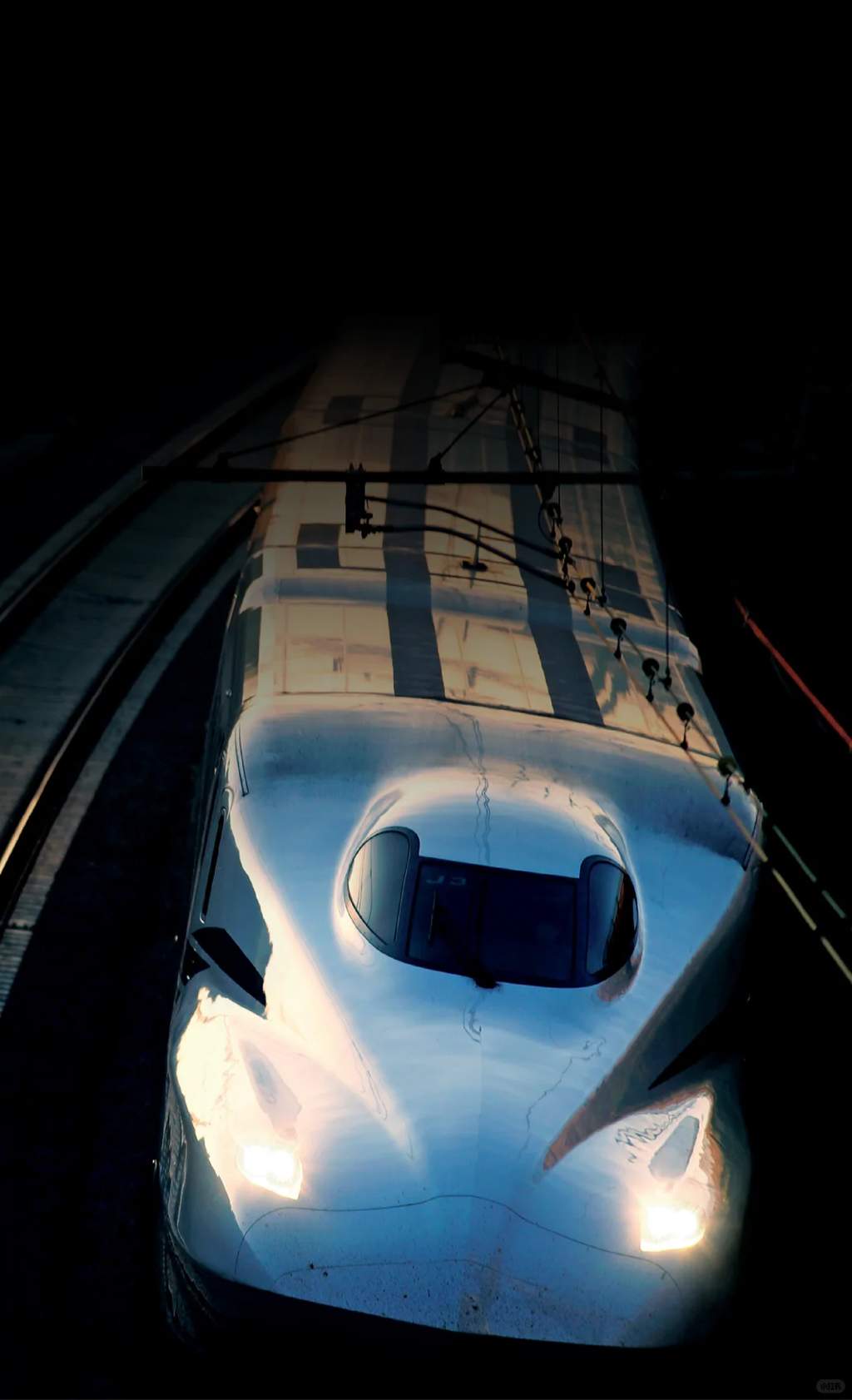
Hikari becomes much more attractive when you already have a Japan Rail Pass.
Hikari is covered by the pass, whereas Nozomi requires the additional Nozomi/Mizuho ticket. For Tokyo or Shinagawa to Kyoto, that supplement is currently ¥4,960 for each Nozomi ride.
So the decision is straightforward:
Paying cash for the journey → usually Nozomi.
Already travelling on a JR Pass → usually Hikari.
Paying ¥4,960 simply to save around half an hour is difficult to justify for many pass holders. It becomes more reasonable when the Nozomi timetable fits your itinerary substantially better or when arriving earlier in Kyoto has real value.
For the wider question of whether you should buy a national pass in the first place, see our Japan Rail Pass guide.
Kodama: Usually Too Slow for This Route
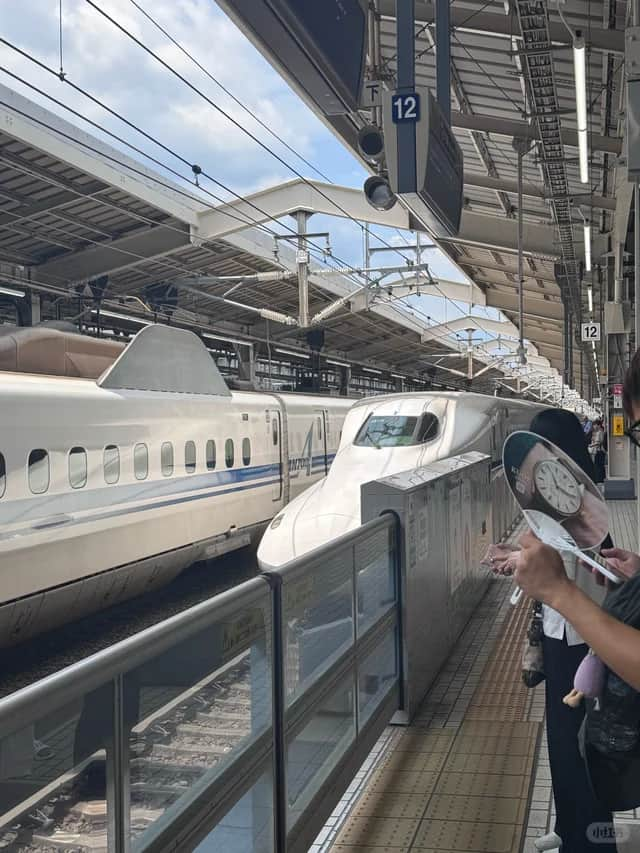
Kodama stops at every Tokaido Shinkansen station.
That is useful for intermediate destinations, but it provides little advantage when your actual journey is Tokyo to Kyoto. The trip takes roughly 3 hours 40 minutes by Kodama, compared with a little over two hours on Nozomi.
Unless a particular discounted ticket makes Kodama significantly cheaper for your dates, Hikari is normally the better JR Pass option and Nozomi the better individual-ticket option.
How Long Is Tokyo to Kyoto by Shinkansen?
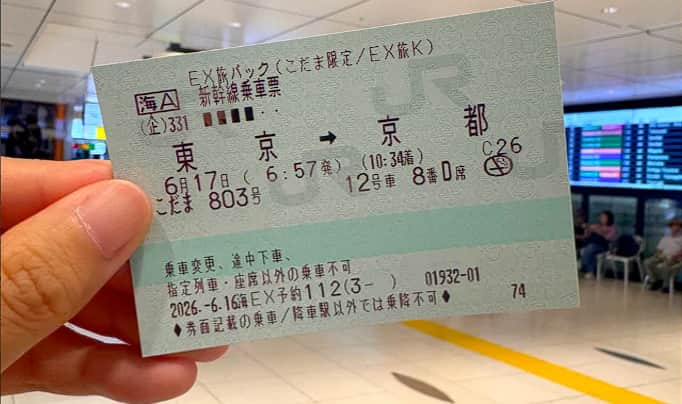
Allow roughly 2 hours 10–15 minutes on Nozomi from Tokyo Station to Kyoto Station.
The exact journey varies by train. Some Nozomi services complete the trip in around 2 hours 10 minutes, while others take a few minutes longer.
Hikari normally takes around 2 hours 35–45 minutes, although some services are slightly faster or slower because Hikari stopping patterns vary.
Kodama is much slower because it stops at every station.
This variation is why choosing by train name alone is not quite enough. If two Hikari options are available, check their actual arrival times rather than assuming every Hikari takes exactly the same amount of time.
If you board at Shinagawa instead of Tokyo Station, your time physically on the Shinkansen will be several minutes shorter because Shinagawa is the next major stop west of Tokyo.
But the more useful number is your door-to-door journey time. Saving ten minutes getting to Shinagawa from your hotel matters more than insisting on starting at Tokyo Station.
How Much Does the Tokyo to Kyoto Shinkansen Cost?
A standard adult one-way Tokyo–Kyoto ticket currently starts at approximately ¥13,320 for an Ordinary non-reserved seat.
For regular-season reserved seats, expect approximately:
| Seat | Nozomi | Hikari/Kodama |
|---|---|---|
| Ordinary non-reserved | ¥13,320 | ¥13,320 |
| Ordinary reserved | ¥14,170 | ¥13,850 |
| Green Car | ¥19,040 | ¥18,720 |
Reserved-seat fares can move slightly during off-peak, peak and top-season periods.
For most travellers, Ordinary reserved is better value than Green Car on this route. Nozomi Green Car costs almost ¥4,900 more than an Ordinary reserved seat.
The upgrade buys additional space and a quieter premium environment, but it does not get you to Kyoto faster.
If you are deciding whether that extra comfort is worth paying for, see our Green Car vs Ordinary Car comparison.
Do not treat these numbers as a substitute for checking your actual travel date. Discounted online fares and advance-purchase products can produce different totals.
Tokyo Station vs Shinagawa: Where Should You Board?
There is no need to travel to Tokyo Station simply because your journey is Tokyo to Kyoto.
Both Tokyo Station and Shinagawa Station have direct Nozomi and Hikari services to Kyoto, and the standard fare to Kyoto is effectively the same from either station.
The better station is therefore the one that reduces the rest of your journey.
Tokyo Station usually makes more sense if you are staying around:
- Tokyo Station
- Marunouchi
- Ginza
- Nihombashi
- Areas with an easy JR connection into central Tokyo
It is also the starting station for westbound Tokaido Shinkansen services, which can make boarding feel slightly less rushed when you have luggage.
Shinagawa is often the smarter choice if you are staying in southern Tokyo or coming from Haneda Airport.
Do not choose based on the few minutes of Shinkansen running time between the stations. Choose based on which station is easier to reach with your suitcase.
Which Side of the Shinkansen for Mt Fuji?
Travelling from Tokyo toward Kyoto, choose the right-hand side of the train for the best chance of seeing Mount Fuji.
On standard Tokaido Shinkansen seating:
- Ordinary Car: Seat E
- Green Car: Seat D
If seeing Mount Fuji matters to you, reserve rather than relying on an unreserved car. An E-seat reservation lets you lock in the correct side of the train before departure.
The view is weather-dependent. Choosing the correct seat gives you the opportunity; it does not guarantee that Mount Fuji will be visible.
How Far Is Tokyo from Kyoto?
Tokyo and Kyoto are approximately 365–370 km apart in a straight line, but the railway journey is longer.
The Shinkansen rail distance between Tokyo and Kyoto is approximately 514 km.
The Tokaido Shinkansen reaches speeds of up to 285 km/h, although the average speed over the full journey is lower because trains accelerate, decelerate and make intermediate stops.
For trip planning, the distance itself matters less than the journey time: Nozomi covers the route in a little over two hours.
How to Buy a Tokyo to Kyoto Shinkansen Ticket
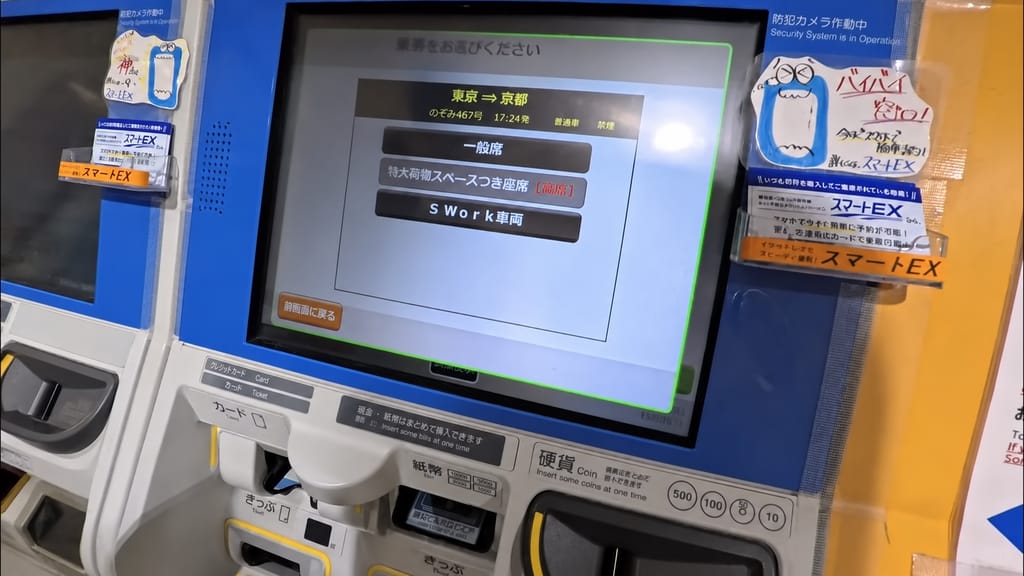
You can buy Tokyo–Kyoto Shinkansen tickets online or at JR stations.
For this particular route, the most important thing to select is simple:
Tokyo or Shinagawa → Kyoto → Nozomi → Ordinary reserved seat
That is the default combination for most travellers paying their own fare.
If you want the Mount Fuji view, select Seat E when available.
There is no need to learn every ticket type or booking system before choosing the train. For the complete booking process, payment options, advance reservations and official-vs-third-party booking trade-offs, see our full guide to buying Shinkansen tickets.
Tokyo to Kyoto With a JR Pass
A Japan Rail Pass covers Hikari and Kodama on the Tokaido Shinkansen.
Nozomi is different. Pass holders can use it only after buying the separate Nozomi/Mizuho ticket.
For Tokyo or Shinagawa to Kyoto, the supplement is currently ¥4,960 each way.
For this route, that makes Hikari the default choice for most JR Pass holders.
You arrive roughly 20–40 minutes later than on Nozomi but avoid the additional charge.
Whether the Japan Rail Pass itself makes financial sense depends on the rest of your itinerary, not just this journey.
See our Japan Rail Pass guide for the full calculation.
Luggage on the Tokyo to Kyoto Shinkansen
Normal suitcases do not change which train you should take. Nozomi, Hikari and Kodama all accommodate luggage.
The exception is oversized baggage.
On the Tokaido Shinkansen, luggage with combined length + width + height of more than 160 cm and up to 250 cm requires an appropriate oversized-baggage seat reservation.
If your suitcase is close to that threshold, check before choosing your seat because the luggage requirement can affect which seats you should reserve.
See our complete Shinkansen luggage guide for dimensions, storage and reservation rules.
Kyoto Station Arrival
The direct Shinkansen arrives at Kyoto Station itself.
There is no separate “Shin-Kyoto” station and no train change required from Tokyo.
Kyoto Station is a major transport hub with:
- JR local and regional trains
- Kyoto Subway Karasuma Line
- City buses
- Taxis
This matters when comparing departure times from Tokyo.
A Shinkansen that arrives in Kyoto at 10:30 p.m. does not mean you will reach your hotel at 10:30 p.m. If you are staying around Gion, Higashiyama or another area away from Kyoto Station, leave enough time for the final transfer.
Which Tokyo to Kyoto Shinkansen Should You Take?
For most travellers buying a ticket, take the Nozomi from whichever of Tokyo Station or Shinagawa Station is easier to reach, and book an Ordinary reserved seat.
The reason is the trade-off: Nozomi is substantially faster than Hikari, while the regular reserved-seat price difference is only around ¥320.
Green Car costs considerably more without reducing journey time, and Kodama takes too long to make sense for most Tokyo–Kyoto trips.
If you already have a Japan Rail Pass, choose Hikari unless saving roughly half an hour is worth the ¥4,960 Nozomi supplement.
If Mount Fuji matters, reserve Seat E in Ordinary Class.
Bottom line: Nozomi + Ordinary reserved for most travellers; Hikari + reserved seat for most JR Pass holders.
Written by

Former KLOOK Recommender System Expert
Built the systems that decided which products ranked first for users in KLOOK. That experience taught me that rankings just optimize clicks and conversions for OTA — not necessarily what truly fits each traveler. Today, I write evidence-based verdicts using my 4 year experience on product: whether they're worth it, who they suit, and when you're better off skipping them.