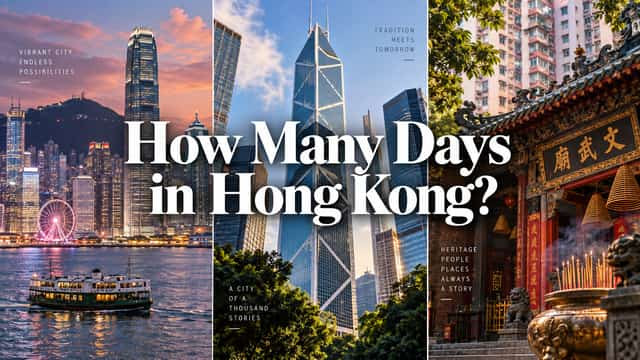
Hong Kong's temples offer a quieter side of the city, from the fortune-telling traditions of Wong Tai Sin to the incense-filled halls of Man Mo Temple and the mountain setting of the Big Buddha. For most visitors, Wong Tai Sin and Man Mo Temple are easy to visit independently, while the Big Buddha is better planned as a separate Lantau half-day or full-day trip.
Across Hong Kong, Taoist temples, Buddhist monasteries and historic worship halls remain active parts of daily life. Visitors come to pray for health, relationships, academic success, career progress and good fortune—or simply to enjoy a peaceful break from the city.
Before starting your temple itinerary, it helps to have mobile data for MTR directions, opening-hour checks and translation. Travelers staying only in Hong Kong can compare this Hong Kong travel eSIM. If your trip also includes mainland China or Macau, consider this China, Hong Kong and Macau eSIM instead.
For first-time visitors, the best temple itinerary usually combines three contrasting experiences:
- Wong Tai Sin Temple for fortune-telling and traditional prayer rituals
- Man Mo Temple for history, incense coils and atmospheric architecture
- The Big Buddha and Po Lin Monastery for mountain scenery and Buddhist culture
Travelers with additional time can also visit Che Kung Temple or explore Tin Hau Temple and Kowloon City.
Some links in this guide are affiliate links. If you book through them, The Right Tour may receive a commission at no additional cost to you.
To save money, you can also book on Klook with our promo code SUMMER4HK. This will give you a 3~10% discount.
Quick Comparison of Hong Kong’s Best Temples
| Temple | Best For | Recommended Time | Guided option |
|---|---|---|---|
| Wong Tai Sin Temple | Prayer, fortune sticks and Taoist traditions | 1–1.5 hours | Tour1, Tour2 |
| Man Mo Temple | Historic architecture and photography | 30–45 minutes | Tour3, Tour4 |
| Big Buddha and Po Lin Monastery | Buddhist culture and Lantau scenery | Half or full day | |
| Che Kung Temple | Good-luck traditions and local festivals | 45–60 minutes | |
| Tin Hau Temple | Local neighbourhood culture and maritime traditions | 30–45 minutes |
Opening hours and access arrangements may change during festivals, renovation periods and religious events. Check the latest information before visiting.
Wong Tai Sin Temple
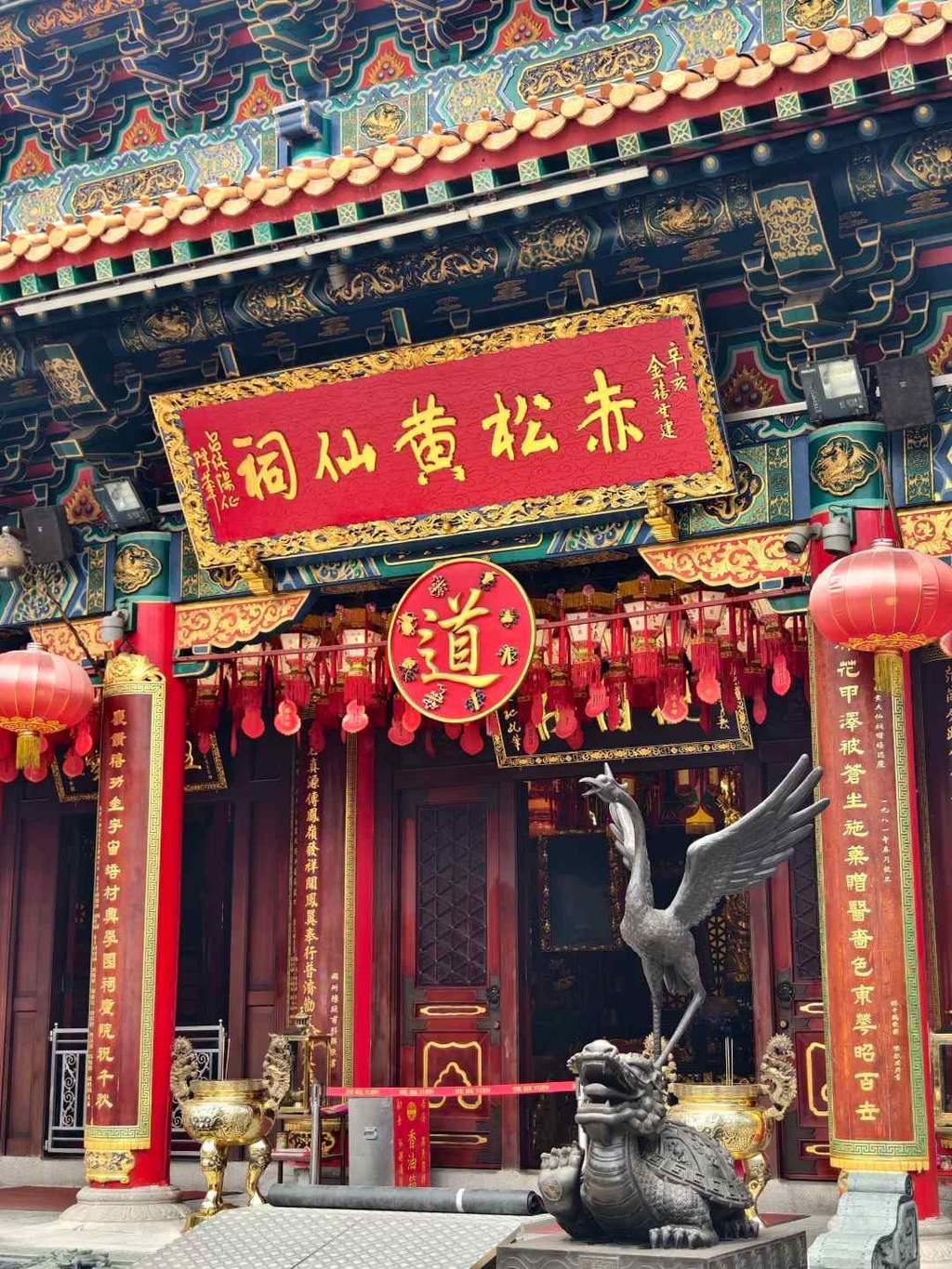
Wong Tai Sin Temple is one of the most famous religious attractions in Hong Kong. Founded in 1921, it is dedicated to Wong Tai Sin, a Taoist deity traditionally associated with healing and answering sincere prayers.
The temple is especially busy during Lunar New Year, when worshippers visit to pray for good fortune in the coming year.
How to Get There
Take the MTR Kwun Tong Line to Wong Tai Sin Station and use Exit B2 or B3. The temple is only a short walk from the station, with clear signs along the route.
How to Pray at Wong Tai Sin Temple
Procedures may vary depending on crowd controls and current temple arrangements, but a typical visit includes:
- Enter the temple and follow the designated worship route.
- Collect incense if it is available from the official distribution point.
- Light the incense only in the designated area.
- Visit the principal worship halls in the order indicated by temple signs.
- Place incense in the appropriate burners without blocking other visitors.
Some visitors silently state their name, place of residence and the matter they wish to ask about. There is no need to copy other worshippers exactly. Remaining respectful and sincere is more important than performing every ritual perfectly.
Visitors who cannot attend in person can also explore an online Wong Tai Sin prayer service. This is different from an in-person temple tour and is mainly intended for remote prayer requests.
How Fortune Sticks Work
Wong Tai Sin is also known for kau chim, a traditional method of seeking guidance through numbered fortune sticks.
Visitors normally:
- Think carefully about one specific question.
- Shake a cylindrical container until one stick falls out.
- Record the number written on the stick.
- Obtain an interpretation through an authorized fortune-telling stall or another available interpretation service.
Ask one clear question at a time. Avoid treating the process as entertainment, particularly when worshippers are praying nearby.
Prefer visiting with a local guide? This private half-day Kowloon temples and markets tour combines temple visits with traditional markets and local neighbourhoods. It is a useful option for visitors who want help understanding prayer customs and religious traditions.
Man Mo Temple
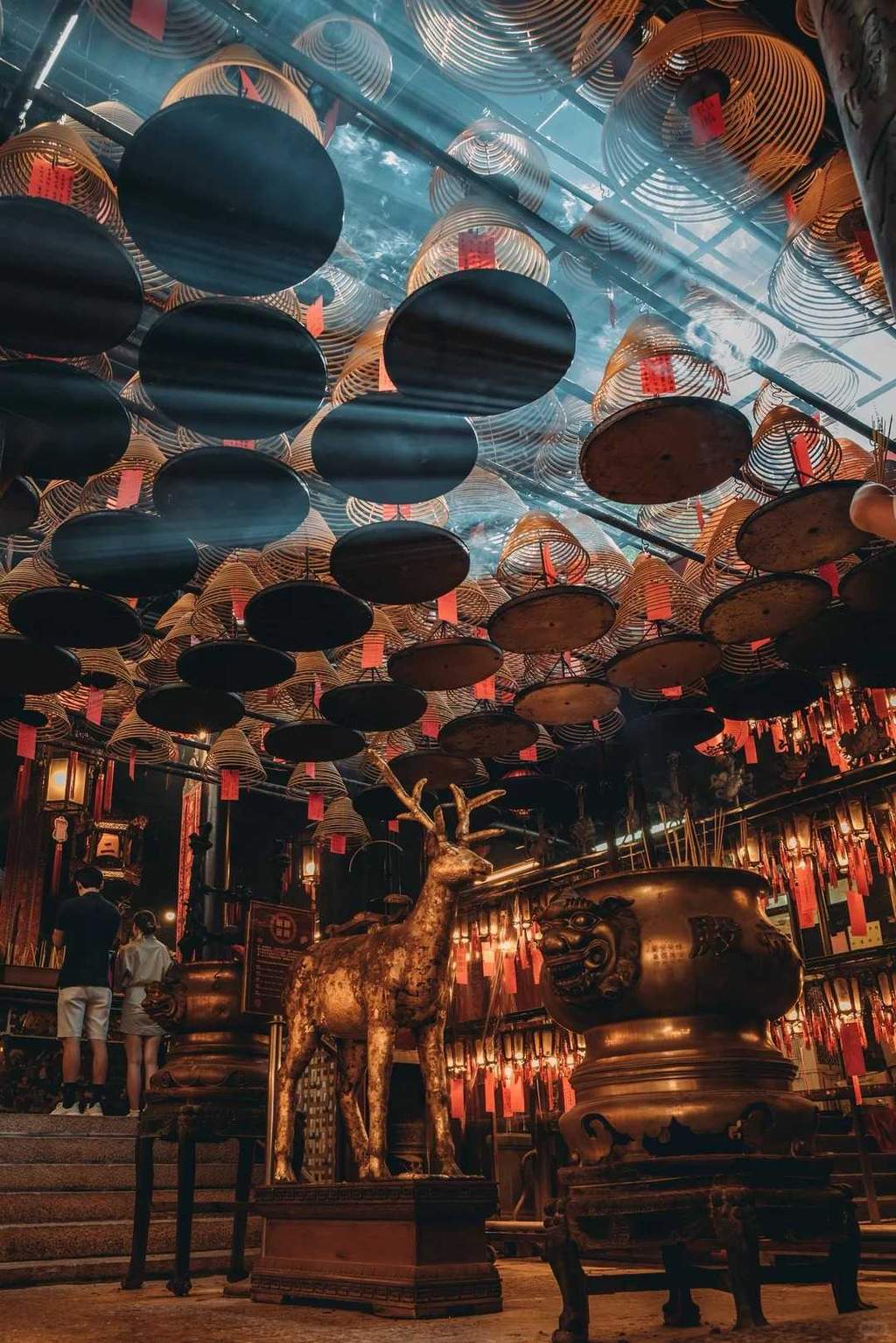
Located in Sheung Wan, Man Mo Temple is one of Hong Kong’s oldest and most atmospheric temples.
The temple is dedicated to two deities: Man Cheong, associated with literature and learning, and Mo Tai, associated with martial strength, loyalty and justice. Students and professionals traditionally visit to pray for success in examinations or their careers.
Inside, large spiral incense coils hang from the ceiling, creating one of Hong Kong’s most distinctive temple interiors. The building also features traditional carvings, ceramic decorations and historic ceremonial objects.
How to Get There
Man Mo Temple can be reached from Sheung Wan Station or Central Station. The walk from Central is longer and includes uphill streets, so Sheung Wan is generally more convenient.
Combine the temple with:
- Hollywood Road
- Upper Lascar Row
- Tai Kwun
- PMQ
- Sheung Wan’s traditional dried-seafood streets
Because Man Mo Temple is relatively compact, it works well as part of a half-day heritage walking tour.
Visitors interested in combining the temple with neighbourhood history and local food can consider this Hong Kong half-day food tour.
Travelers who want to combine Man Mo Temple with other historic districts and attractions can also customize a private full-day Hong Kong tour with a local.
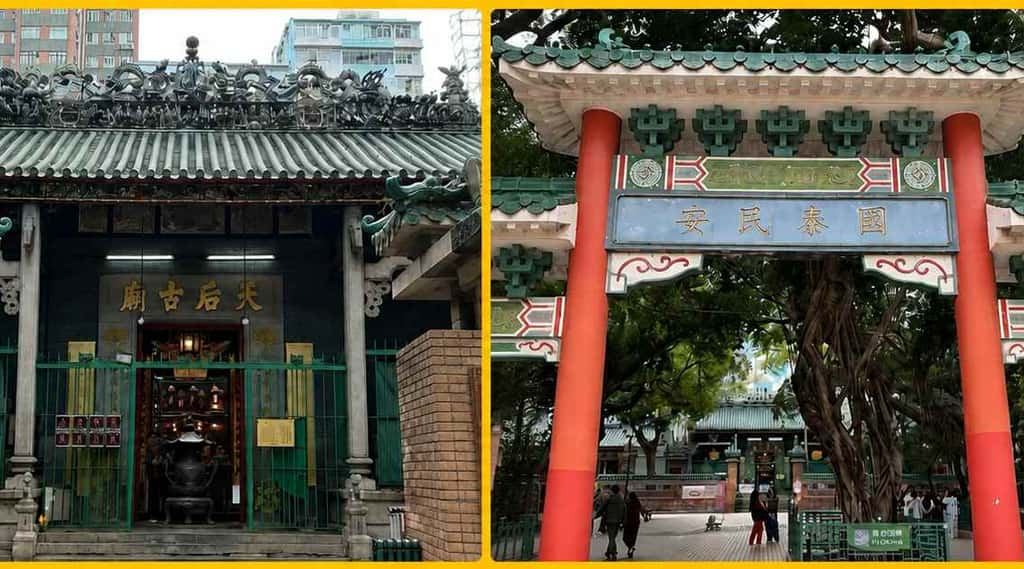
Tin Hau Temple and Kowloon City
Tin Hau temples are dedicated to the Chinese sea goddess traditionally associated with protecting fishermen, sailors and coastal communities.
Although many Tin Hau temples were originally built close to the waterfront, urban development and land reclamation mean that some now stand far from the present shoreline.
A visit can be combined with Kowloon City’s older residential streets, traditional shops, markets and local food.
For a broader neighbourhood experience, this Kowloon City cultural walk combines local community stories with tenement-house history and street snacks.
Choose this type of experience if you are more interested in everyday neighbourhood culture than in visiting only Hong Kong’s most famous religious landmarks.
Big Buddha and Po Lin Monastery
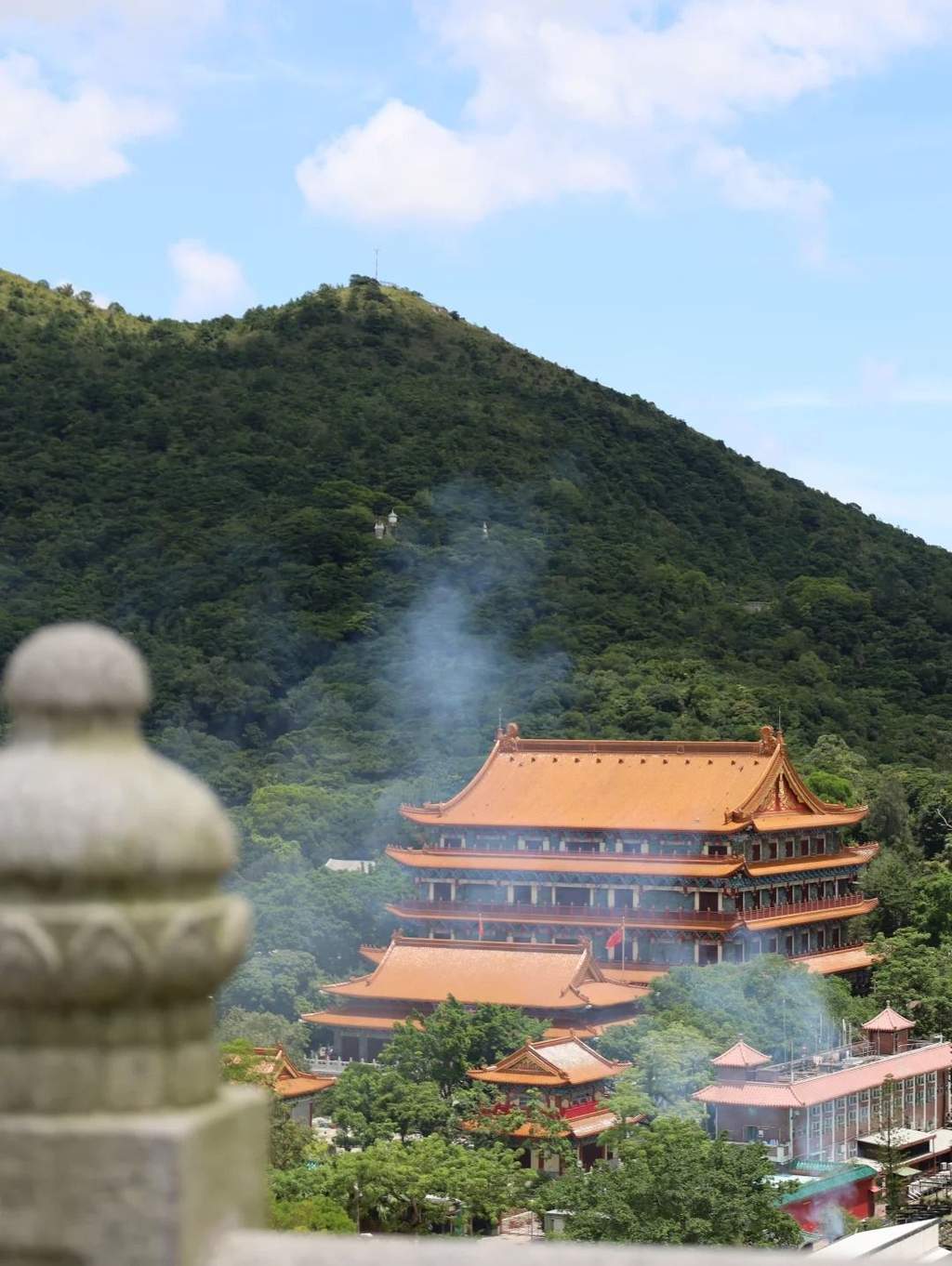
The Tian Tan Buddha—commonly called the Big Buddha—is one of Hong Kong’s most recognizable landmarks.
Located near Po Lin Monastery on Lantau Island, the bronze seated Buddha rises above the surrounding mountains. Visitors reach the statue by climbing 268 steps, although the monastery, village and lower viewing areas can be enjoyed without completing the full climb.
How to Get There
Travel to Tung Chung Station, then continue to Ngong Ping by cable car or bus. The Ngong Ping 360 cable car provides impressive views of the airport, sea and Lantau mountains, but queues can be long on weekends and public holidays.
Allow at least half a day for:
- The Ngong Ping cable car
- Tian Tan Buddha
- Po Lin Monastery
- Ngong Ping Village
A full-day Lantau itinerary can also include Tai O fishing village.
The Big Buddha is best for travelers who want to combine a religious site with mountain scenery. It is less suitable for a rushed city itinerary because travel from central Hong Kong takes considerable time.
Che Kung Temple
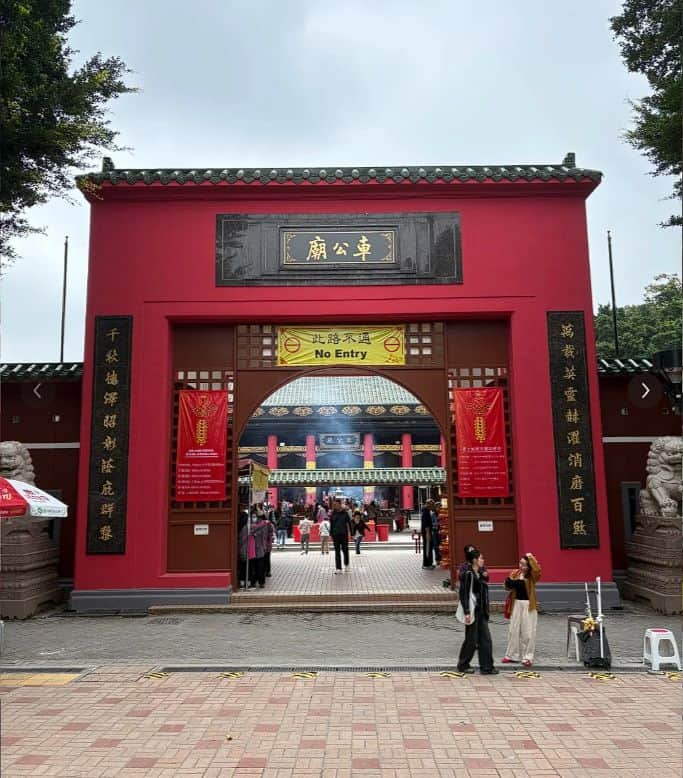
Che Kung Temple in Sha Tin is dedicated to Che Kung, a military commander traditionally associated with protection and good fortune.
One of the temple’s best-known features is a fortune wheel. Visitors often turn the wheel while making a wish, although customs may differ according to personal belief and local guidance.
The temple becomes particularly busy during Lunar New Year and the Che Kung Festival. Travelers who prefer a calmer experience should visit on a normal weekday.
The most convenient station is Che Kung Temple Station on the Tuen Ma Line. It can also be reached from Tai Wai.
Temple Etiquette for International Visitors
Hong Kong’s major temples welcome visitors, but they remain active places of worship.
Follow these basic guidelines:
- Speak quietly inside worship areas.
- Do not photograph people while they are praying without permission.
- Observe signs restricting photography.
- Do not touch statues, offerings or ceremonial objects.
- Use incense only where permitted.
- Avoid standing directly in front of worshippers.
- Keep valuables secure in crowded areas.
- Follow staff instructions during festivals.
Modest casual clothing is generally appropriate. Comfortable shoes are important, especially for Lantau Island and hillside neighborhoods.
How Should You Plan a Hong Kong Temple Itinerary?
Choose Wong Tai Sin and Man Mo Temple for an easy half-day introduction to Hong Kong’s religious traditions.
Choose Wong Tai Sin, Man Mo Temple and Che Kung Temple for a full-day urban temple itinerary.
Choose Tin Hau Temple and Kowloon City if you want to combine a smaller local temple with neighbourhood history and street food.
Choose the Big Buddha and Po Lin Monastery for a dedicated Lantau day trip with scenic views and a slower pace.
Best for independent visitors
Wong Tai Sin and Man Mo Temple are both easy to reach by MTR. Most visitors can explore them without a guide.
Best for cultural explanation
Choose the private Kowloon temples and markets tour if you want help understanding Taoist beliefs, prayer customs and traditional neighbourhoods.
Best for a flexible private itinerary
Choose a customizable private Hong Kong day tour if you want to combine temples with Central, Sheung Wan, markets or other major attractions.
Best for food and neighbourhood culture
Consider the Sheung Wan food tour or the Kowloon City cultural walk.
FAQs
What is the most famous temple in Hong Kong?
Wong Tai Sin Temple is among the best-known temples for local worship and fortune sticks. The Big Buddha is one of the most famous religious landmarks for international visitors.
Can tourists pray at Hong Kong temples?
Yes. Visitors may respectfully participate where public worship is permitted. Follow posted instructions and observe what local worshippers and temple staff are doing.
Can I visit the main temples in one day?
Wong Tai Sin, Man Mo Temple and Che Kung Temple can be combined in one day. The Big Buddha is better treated as a separate half-day or full-day Lantau excursion.
Is a guided Hong Kong temple tour worthwhile?
A guide can explain the differences between Taoist, Buddhist and folk-religious traditions, help with transport and introduce worship customs that may not be obvious to first-time visitors.
A guide is most useful when you want to combine several temples, traditional markets and older neighbourhoods. Independent travel is sufficient if you only plan to visit Wong Tai Sin or Man Mo Temple.
Which Hong Kong temples are best for first-time visitors?
The private Kowloon temples and markets tour is the most directly relevant guided option for visitors interested in Wong Tai Sin and Kowloon’s religious traditions.
Visitors who want a broader and more flexible itinerary may prefer a customizable private Hong Kong tour.
Written by
Former KLOOK Recommender System Expert
Built the systems that decided which products ranked first for users in KLOOK. That experience taught me that rankings just optimize clicks and conversions for OTA — not necessarily what truly fits each traveler. Today, I write evidence-based verdicts using my 4 year experience on product: whether they're worth it, who they suit, and when you're better off skipping them.